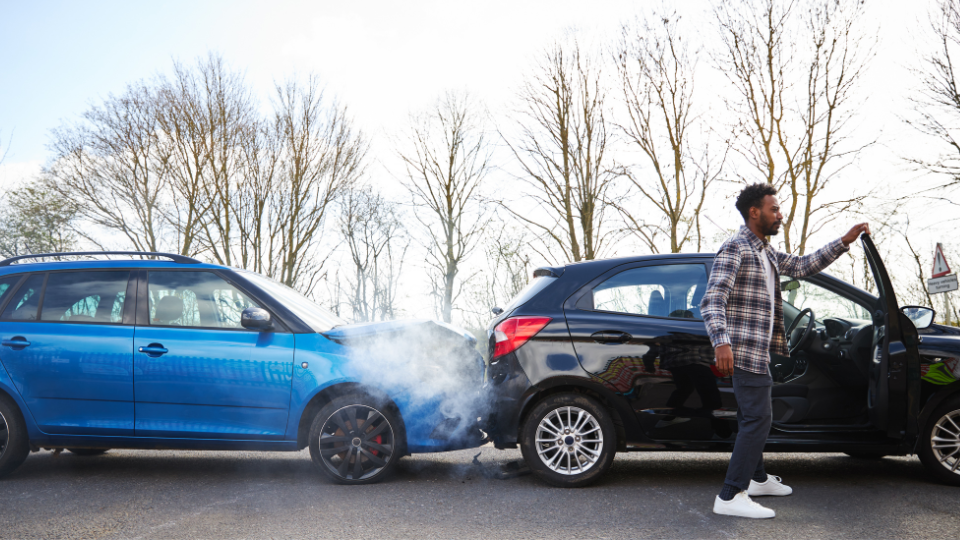
Rear-end collisions in New Orleans and nearby areas
Rear-end collisions are some of the most common types of car accidents in Louisiana. They happen in traffic jams, at intersections, and even in parking lots. While they may seem minor, these crashes often lead to painful injuries that take months to heal.What causes rear-end collisions
Most rear-end crashes are caused by distracted driving, tailgating, speeding, or sudden stops. In busy New Orleans traffic, even a moment of inattention like checking a text or adjusting a GPS can cause a serious crash.In areas like Metairie, Kenner, and Slidell, traffic congestion and frequent stoplights make these accidents especially common. Weather can also play a role, especially during heavy rain when streets become slick.Common injuries from rear-end crashes
Neck and back injuries are the most frequent result of rear-end collisions. Whiplash, herniated discs, and spinal strain can lead to long-term pain and medical treatment. Even low-speed crashes can cause injuries that don’t appear right away.If you’ve been in a rear-end accident, always seek medical attention, even if you feel fine initially. Some injuries take days to show symptoms.Proving fault in a rear-end accident
Louisiana law presumes the driver in the back is at fault, but there are exceptions. Mechanical failures, sudden lane changes, or unsafe road conditions can all affect liability. That’s why gathering evidence such as photos, police reports, and witness statements is essential.At Branch Law, we investigate thoroughly to ensure the facts reflect what truly happened. Our attorneys work with accident reconstruction experts and use our deep understanding of local roads like I-10, Veterans Boulevard, and Claiborne Avenue to build strong cases for our clients.Contact Branch Law today for a free consultation. Our team is here to help you after a car accident in New Orleans, Metairie, Kenner, Gretna, Harvey, or Slidell. Call (504) 399-1449 or contact us online at www.betonbranch.com/contact to get started.